
Aesthetic Laser Machine in India: Types, Applications and Buying Guide for Clinics
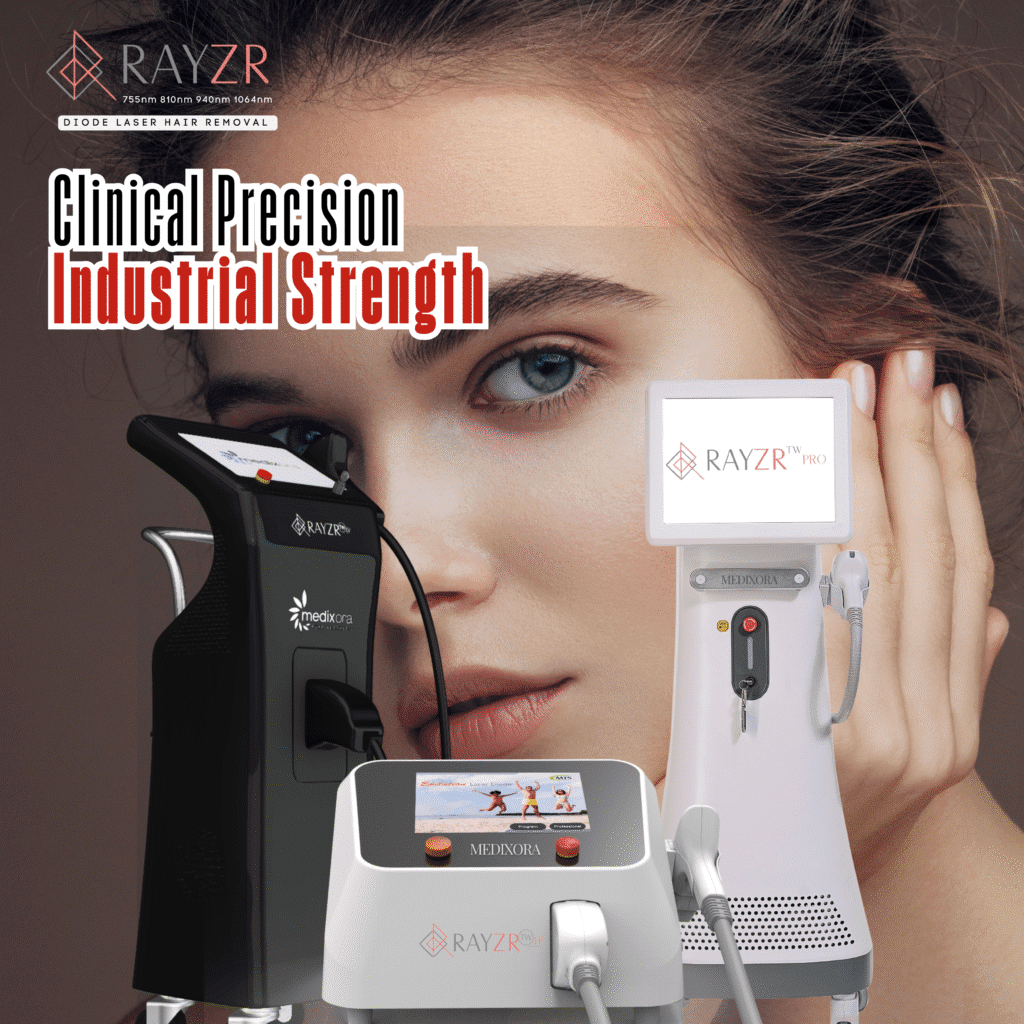
Aesthetic Laser Machine - Introduction
The demand for advanced skin, hair and aesthetic treatments has created new opportunities for dermatologists, cosmetologists, aesthetic physicians and clinic owners across India. As more patients explore non-surgical cosmetic procedures, clinics are investing in modern equipment to expand their treatment offerings. An Aesthetic Laser Machine is an important part of this growing professional equipment segment.
However, selecting the right machine is not always straightforward. Different technologies are designed for different skin concerns, treatment requirements and clinical settings. Factors such as wavelength, power, cooling technology, safety features, maintenance and after-sales support can influence the long-term value of an investment.
In this guide, we explore the major types of aesthetic laser machines available in India, their applications, important features and practical considerations to help professionals make informed purchasing decisions.
What Is an Aesthetic Laser Machine?
An aesthetic laser machine is a specialised medical or cosmetic device that uses concentrated light energy to address selected skin and hair concerns. Depending on the technology, it delivers controlled energy to specific structures within the skin, such as hair follicles, pigmentation deposits or targeted tissue.
Different laser systems operate using different wavelengths, pulse durations and energy delivery methods. These characteristics determine their applications and suitability for particular treatments. Some machines are designed for hair reduction, while others are used for pigmentation concerns, tattoo removal, skin resurfacing or selected dermatological procedures.
Aesthetic laser equipment is commonly used in:
Dermatology clinics
Medical aesthetic centres
Cosmetic treatment clinics
Skin and hair care centres
Hospitals offering dermatological services
Professional aesthetic practices
Choosing the appropriate technology requires an understanding of the intended treatments, patient suitability and the operating requirements of the equipment.
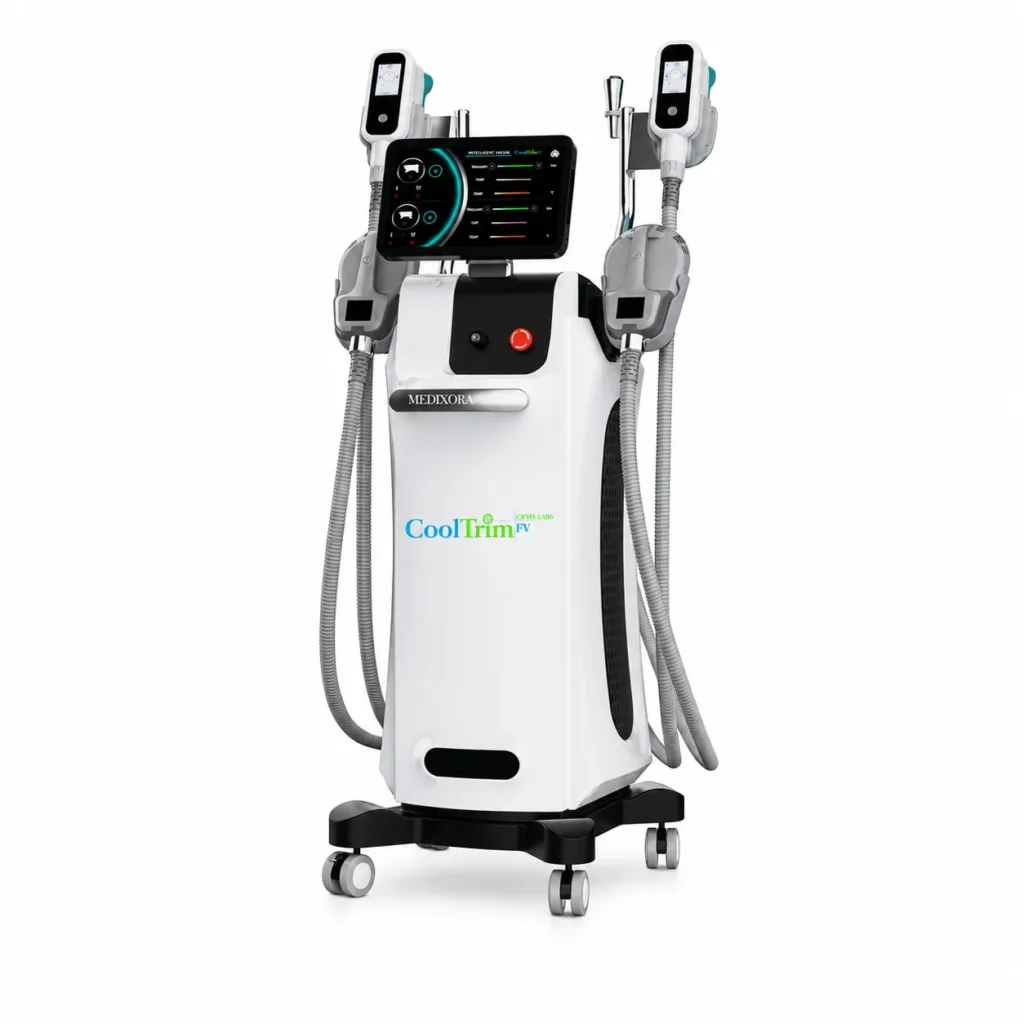
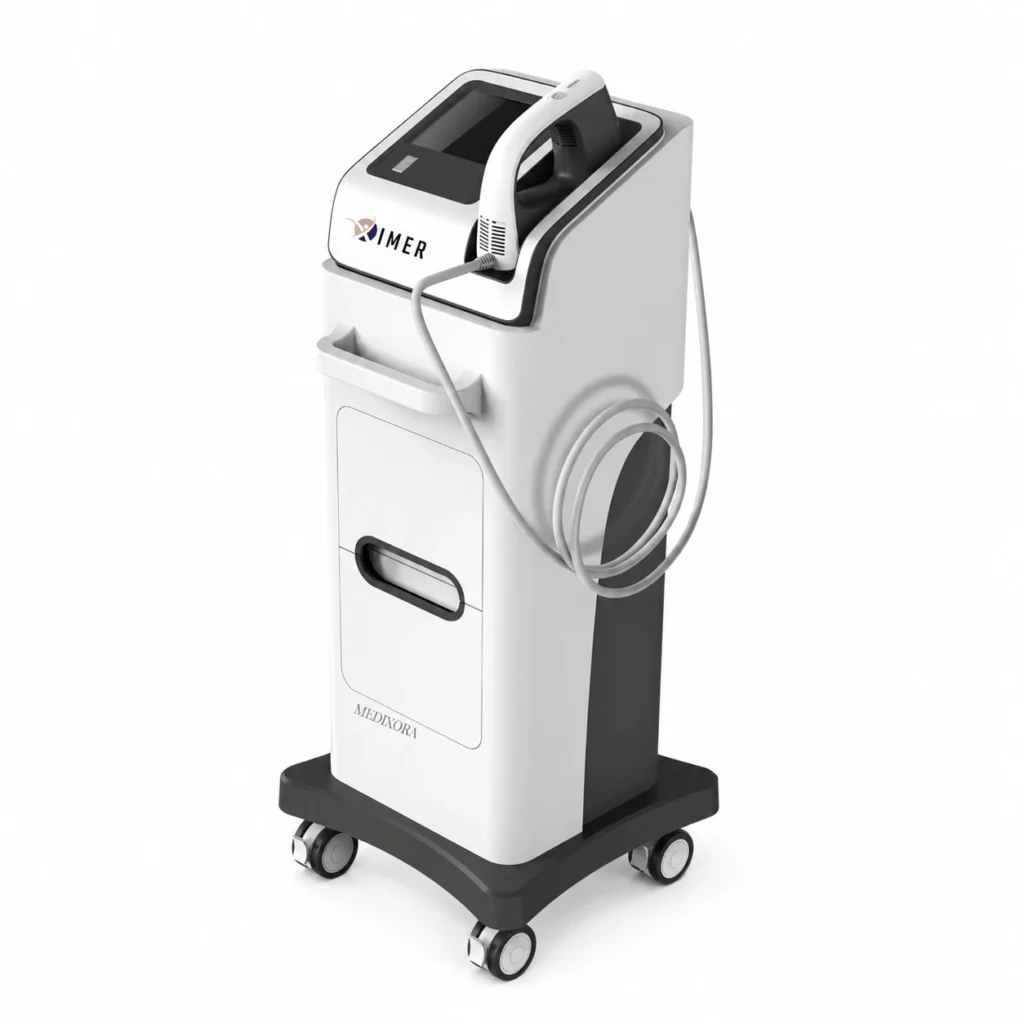
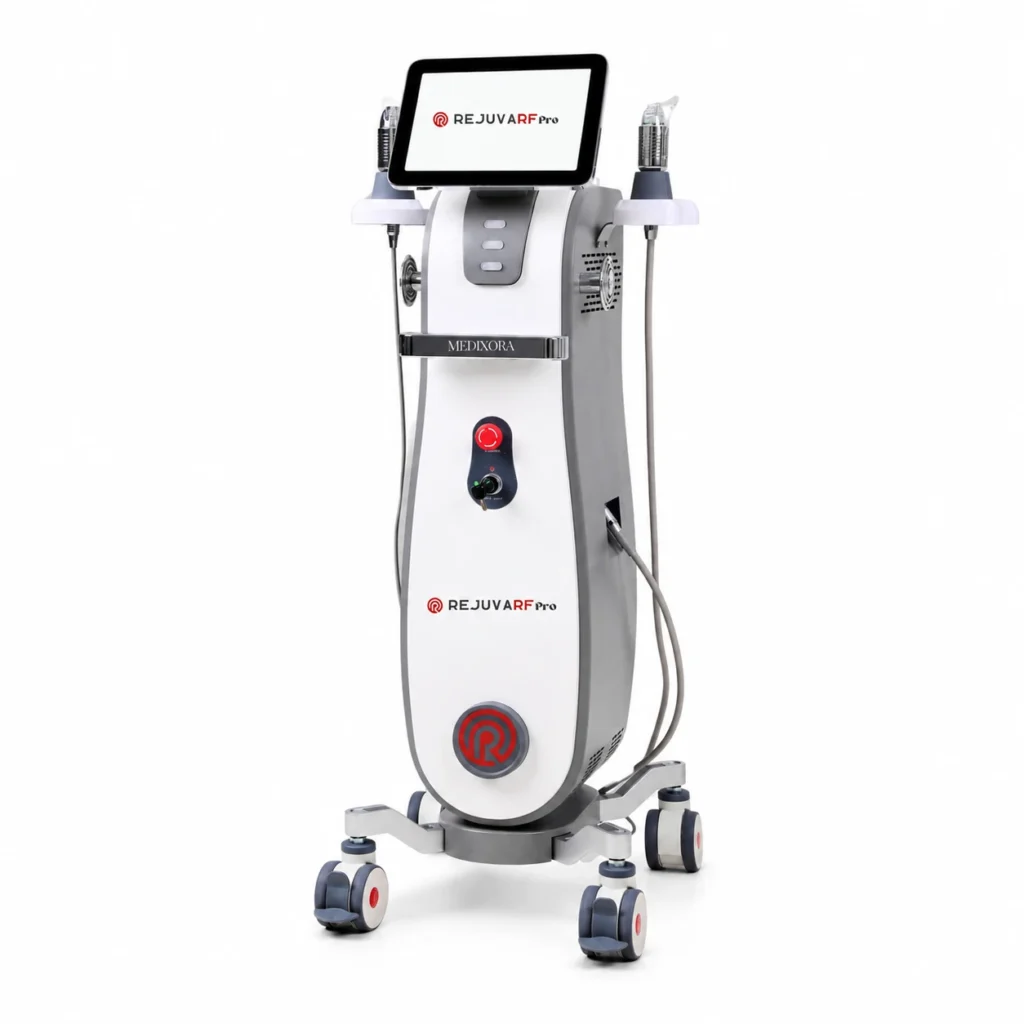
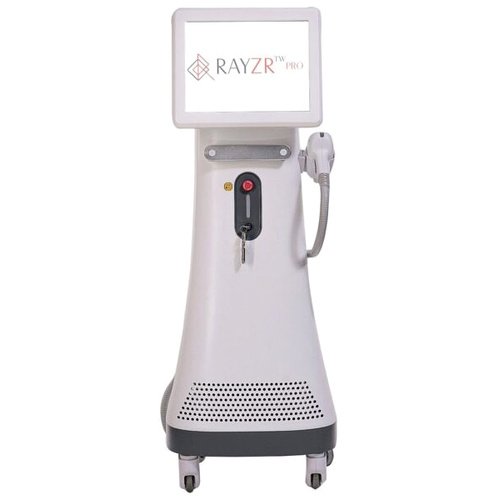
Types of Aesthetic Laser Machines and Their Applications
The Indian aesthetic equipment market offers several technologies designed for different clinical applications. Understanding the differences between these machines helps doctors and clinic owners identify equipment that matches their treatment requirements.
Aesthetic Laser Machines - Diode Laser Hair Removal Machines
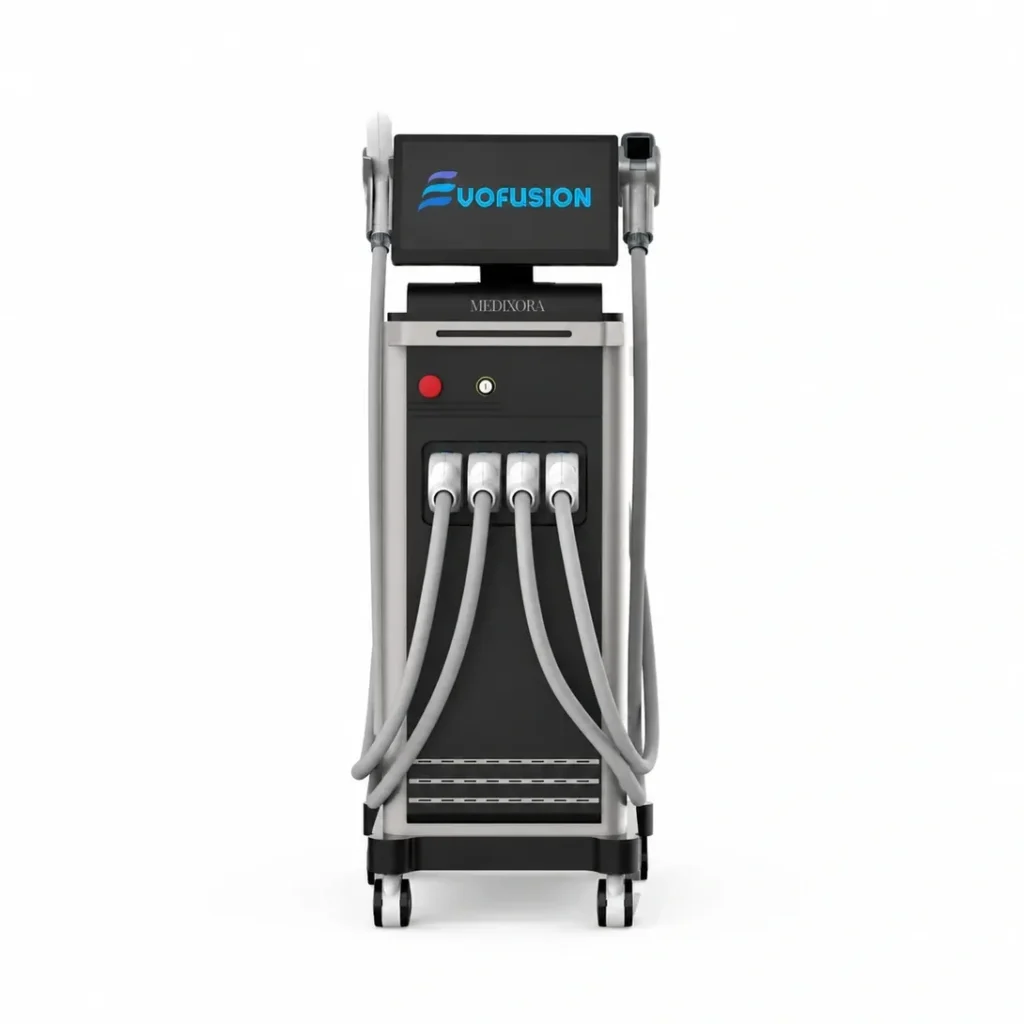
Diode laser machines are widely used in professional hair reduction treatments. They deliver laser energy to melanin in the hair follicle, producing controlled thermal effects that can reduce hair growth over a course of treatments. Modern diode systems may feature multiple wavelengths, adjustable energy settings, different handpiece configurations and integrated cooling technology.
Important features to evaluate include:
Laser wavelength and configuration
Available power and energy delivery
Repetition rate and pulse duration
Contact cooling technology
Handpiece design and treatment spot size
Suitable treatment protocols for different skin types
Diode laser machines are commonly considered by clinics looking to offer professional hair reduction services.
Aesthetic Laser Machines - Q-Switch Nd:YAG Laser Machines
Q-Switch Nd:YAG laser systems deliver energy in very short pulses. Their technology is used in selected pigmentation-related procedures and professional tattoo removal applications. Different wavelengths, particularly 1064 nm and 532 nm, have different tissue interactions and applications. The appropriate wavelength depends on the target, treatment area and professional assessment.
When evaluating a Q-Switch machine, consider:
Available wavelengths
Pulse characteristics
Energy stability
Handpiece and lens options
Cooling requirements
Device-specific safety features
These systems can be a useful addition to dermatology and aesthetic clinics offering selected pigmentation and tattoo-related procedures.
Aesthetic Laser Machines - Pico Laser Machines
Pico laser machines use picosecond pulse durations to deliver laser energy in extremely short intervals. Depending on the system and its configuration, this technology can be used for selected tattoo removal and pigmentation-related applications.
The shorter pulse duration can produce a different interaction with targeted pigment compared with conventional nanosecond Q-Switch systems. However, results depend on several factors, including the type of pigmentation, device settings and individual patient characteristics.
Important purchasing considerations include wavelength options, pulse duration, energy output, spot sizes, cooling and handpiece quality.
Aesthetic Laser Machines - CO2 Fractional Laser Machines
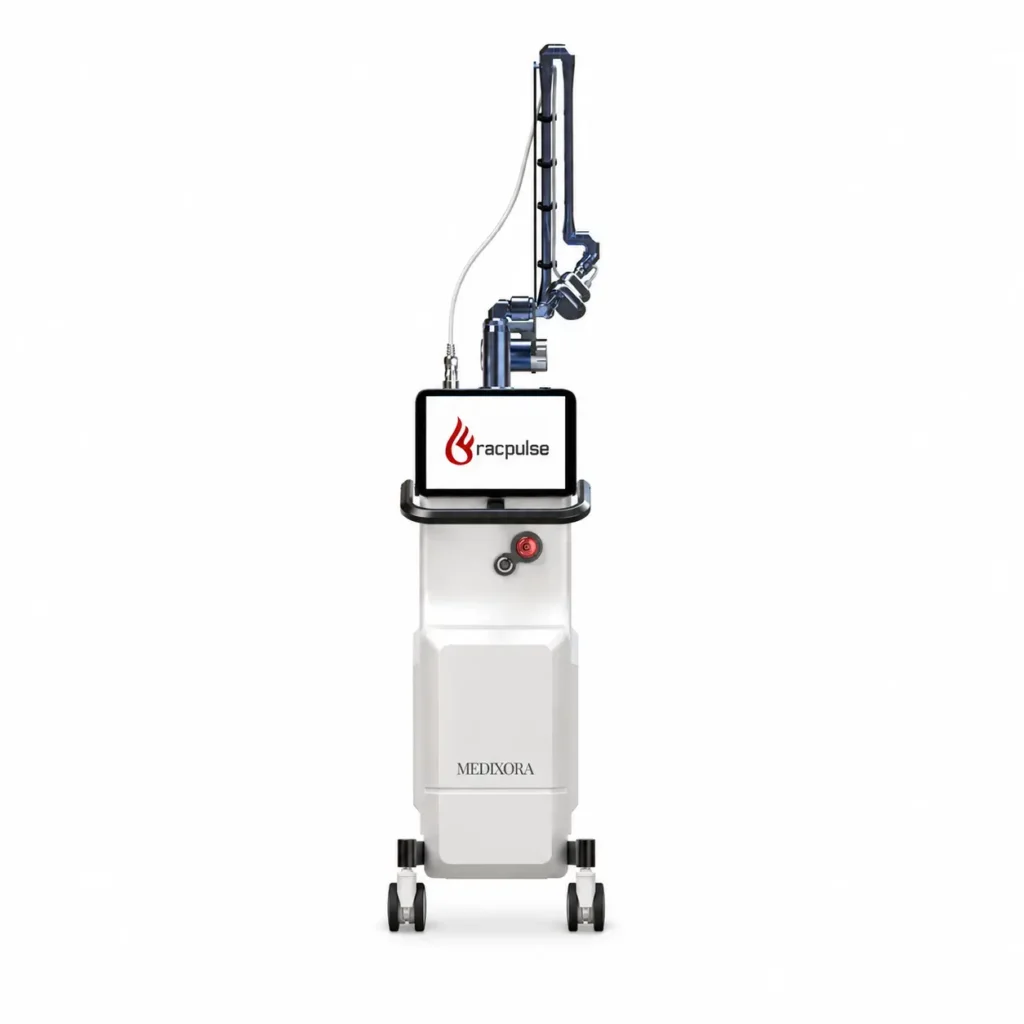
CO2 fractional laser machines use carbon dioxide laser technology, generally operating at a wavelength of 10,600 nm. Fractional systems deliver laser energy through microscopic treatment zones, leaving surrounding tissue relatively untreated to support the healing process.
They are used in selected skin resurfacing procedures and may be considered for concerns such as acne scars, skin texture irregularities and certain wrinkles.
Clinics should evaluate:
Fractional and scanning modes
Energy and pulse controls
Treatment pattern options
Handpiece quality
Cooling and safety arrangements
Maintenance and service requirements
CO2 laser procedures require appropriate clinical assessment, trained operators and proper post-treatment care.
Aesthetic Laser Machines - HIFU and Other Aesthetic Energy-Based Equipment
Not all aesthetic treatment machines are lasers. High-Intensity Focused Ultrasound (HIFU), radiofrequency (RF), microneedling radiofrequency (MNRF), IPL and HydraFacial equipment belong to different technology categories.
HIFU uses focused ultrasound energy, while RF systems use electrical energy to produce controlled heating. IPL uses filtered broad-spectrum light rather than a single laser wavelength.
These technologies can complement laser equipment in a clinic, depending on its treatment portfolio. They should be evaluated separately because their working principles, treatment indications and operating requirements differ.
Benefits and Practical Considerations of Aesthetic Laser Machines
Investing in suitable aesthetic laser equipment can help clinics expand their professional treatment capabilities. However, the value of a machine depends on its suitability, utilisation, operating costs and the quality of technical support.
Some practical advantages include:
Expanded treatment services: Clinics can offer additional procedures based on their professional expertise and patient requirements.
Technology-specific applications: Different machines provide options for selected hair, pigmentation, tattoo and skin resurfacing procedures.
Treatment flexibility: Adjustable settings and suitable handpieces can support different treatment requirements within the device’s approved indications.
Business development: Additional services may create opportunities to attract patients seeking specialised aesthetic procedures.
Professional workflow: Appropriate equipment can support a structured treatment process when combined with trained staff and clinical protocols.
Long-term equipment value: Reliable construction, service availability and preventive maintenance can help reduce avoidable operational interruptions.
There are also important considerations. Laser treatments may involve downtime, temporary skin reactions and procedure-specific risks. Not every technology is suitable for every patient or skin concern. Equipment purchase should therefore be supported by clinical training, safety arrangements and realistic financial planning.
How to Choose the Right Aesthetic Laser Machine in India
Selecting an aesthetic laser machine is an important investment decision. Instead of choosing equipment only on the basis of price or advertised power, clinic owners should assess the technology, intended applications, service support and overall operating requirements.
1. Identify Your Clinic’s Treatment Requirements
Start by identifying the treatments you intend to provide. A clinic primarily offering hair reduction may consider a diode laser, whereas a dermatology centre focusing on selected pigmentation and tattoo procedures may evaluate Q-Switch or Pico technology.
Prepare a list of your intended applications before comparing machines. This helps prevent unnecessary investment in equipment that does not match your actual clinical requirements.
2. Evaluate Technology and Technical Specifications
Understand the working technology before purchasing. Compare wavelength, pulse duration, energy output, repetition rate, spot size, handpiece configuration and cooling systems wherever relevant.
Do not compare machines using power ratings alone. A higher wattage figure does not automatically establish better treatment performance. Ask the manufacturer or supplier to explain how the specifications relate to the intended applications.
3. Check Machine Quality and Safety Features
Examine the machine’s construction, control interface, handpiece quality, cooling arrangement and safety mechanisms. Ask for a demonstration and review the operating instructions.
The equipment should be appropriate for its intended professional use. Clinics should also arrange suitable protective eyewear, controlled treatment areas and device-specific safety protocols.
4. Compare Warranty, Training and After-Sales Support
After-sales service is particularly important for equipment used regularly in a clinic. Before purchasing, understand the warranty coverage, service process, spare-parts availability and expected response arrangements.
Ask whether operator training is included, whether it is available online or offline, and what technical support is provided after installation. Written service commitments are more useful than informal verbal assurances.
5. Calculate the Total Cost of Ownership
The purchase price is only one part of the investment. Consider installation, consumables, maintenance, staff training, electricity requirements, servicing and potential downtime.
Estimate realistic monthly machine utilisation and treatment demand before calculating the expected return on investment. If you are starting a new clinic, compare purchasing with rental options where available. A financially suitable machine should meet clinical requirements without placing unnecessary pressure on the clinic’s budget.
Aesthetic Laser Machines
Why Choose Medixora?
Medixora LLP provides aesthetic laser and clinic equipment solutions for doctors, dermatologists, clinic owners and aesthetic professionals across India. Its equipment portfolio includes diode laser, Q-Switch, Pico, CO2, HIFU and other professional aesthetic technologies. Medixora focuses on equipment solutions supported by product guidance, installation, training and after-sales assistance. Depending on the product, customers can also enquire about rental arrangements and applicable warranty coverage. Contact the Medixora team for machine specifications, quotations, demonstrations and assistance in identifying equipment suitable for your clinic.

Aesthetic Laser Machines - Frequently Asked Questions
1. Which aesthetic laser machine is best for a dermatology clinic?
There is no single best machine for every clinic. The right choice depends on treatment requirements. Diode, Q-Switch, Pico and CO2 systems serve different applications and should be selected accordingly.
2. What is the difference between Diode, Q-Switch and Pico lasers?
Diode lasers are commonly used for hair reduction. Q-Switch systems deliver nanosecond pulses, while Pico systems use picosecond pulses for selected pigmentation and tattoo-related applications.
3. What should I check before purchasing an aesthetic laser machine in India?
Compare technical specifications, intended applications, safety features, machine quality, warranty terms, operator training, service availability and total operating costs before making a purchase.
4. Are aesthetic laser machines suitable for all skin types?
Not necessarily. Suitability depends on the technology, wavelength, skin characteristics, treatment indication and individual patient assessment. Qualified professionals should follow device-specific protocols.
5. Can clinics rent aesthetic laser machines instead of purchasing them?
Some suppliers offer rental arrangements, depending on the machine and location. Renting may help clinics evaluate demand or manage initial investment, but rental terms and technical support should be confirmed beforehand.
Conclusion
Choosing the right aesthetic laser machine requires more than comparing prices and specifications. Doctors and clinic owners should consider treatment requirements, technology, safety, training and long-term service support before investing. The right equipment can help build a well-planned aesthetic practice when used appropriately by trained professionals.
Looking for aesthetic laser machines in India? Contact Medixora LLP to explore available equipment, request product specifications and discuss your clinic’s requirements.
Aesthetic Laser Machines - Connect with Medixora Today
Looking for the right aesthetic laser machine for your clinic? Connect with our team for expert guidance, product details, quotations and equipment solutions tailored to your requirements.